Affiliate Disclosure: BuySmart is reader-supported. When you buy through links on this page, we may earn an affiliate commission. Doesn’t change what I cover or what I tell you.
BYLWORKOUT Glass Meal Prep Containers Review: Are They the Best Meal Prep Containers for Leak-Free Lunches?
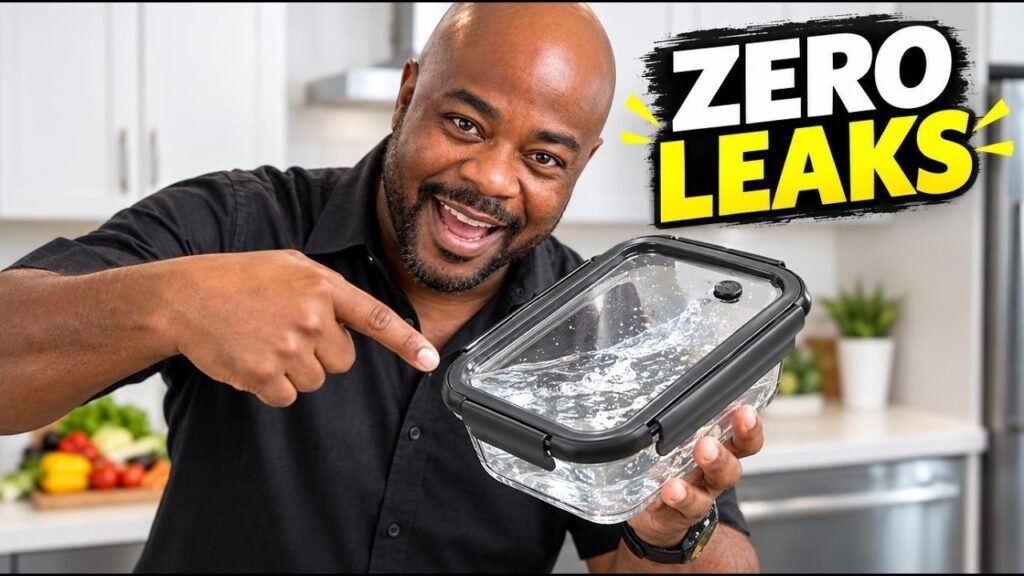
Short answer: If you’re shopping for the best meal prep containers and you’re done with plastic, this BYLWORKOUT set is built around the two things plastic sets get wrong: the lid and the seal. You get three 35-ounce borosilicate glass containers with glass lids — not plastic lids — each with a built-in steam vent, an airtight silicone seal, and locking clips. I have this set in hand, I filmed with it, and I filled one with water and tipped it around to see if the seal actually holds. It does. The honest catches: it’s a 3-pack, not a week’s worth by itself, and glass is heavier than plastic in a work bag.
Check the BYLWORKOUT glass set here →
Why People Switch to Glass in the First Place
Ask anybody why they went looking for glass meal prep containers and you’ll hear the same three complaints about plastic. It stains — one round of chili and the container is orange forever. It holds smells — last week’s garlic chicken rides along with today’s salad. And the lids warp in the dishwasher until they never quite seal again, which is when lunch leaks all over the inside of a bag.
Glass fixes the first two by itself: borosilicate glass doesn’t stain or hold odors, and it washes clean. The third problem — the seal — is a lid problem, and that’s where sets differ. Which brings us to the part of this set worth talking about.
The Lid Is the Whole Story Here
Most “glass” meal prep sets are glass on the bottom and plastic on top. This set is glass on glass. The lids are glass too, with a silicone seal around the edge and locking clips that snap down to make it airtight.
Built into each lid is a small steam vent. That vent is the feature you’ll use every day: pop it open when you microwave lunch and steam escapes instead of blowing the lid loose or painting the inside of the microwave with sauce. Close it, and the container is sealed back up for the trip home.
Glass lids also don’t warp. The seal you get in month six is the seal you got on day one — that’s the real argument for this design, and it’s the thing to check on any set you’re comparing.
The Leak Test
A meal prep container that leaks isn’t a meal prep container, it’s a mess with a lid. So before I believed the “airtight” claim, I filled one of these with water, snapped the lid down, and tipped it — sideways, upside down, a shake for good measure.
No drips. The silicone seal and the clips did their job. Soup, chili, and saucy leftovers are exactly what this test is for, and it’s the first thing I’d check on any container before it goes in a bag with my truck keys and paperwork.
Size: What 35 Ounces Actually Holds
Each container is 35 ounces — about 4.4 cups. In real food terms, that’s a full meal: a chicken breast with rice and vegetables, a big salad with room to toss it, or two servings of soup. It’s the right size for one hungry person’s lunch or dinner, not a snack cup you have to stack three deep.
Three containers means three meals ready to go — a solid start for a work week, or a full day’s eating for one person. If you prep five lunches at a time, know going in that you’ll want a second set; that’s true of most 3-packs and it’s the honest math on this one.
Reheating, Freezing, and the Fine Print
The listing rates this set microwave, oven, freezer, and dishwasher safe, and borosilicate glass is the right material for that — it’s made to handle temperature swings that crack ordinary glass. Two habits will keep any glass set alive longer:
Vent before you microwave. Open the steam vent so pressure escapes. That’s what it’s there for.
Let a frozen container rest a few minutes before it meets oven heat. Borosilicate handles temperature change better than regular glass, but no glass likes a freezer-to-oven jump with zero pause.
One caution, because buyers ask about it constantly: the temperature ratings you see advertised are about the glass. The lids’ exact limits are the part listings are vaguest about, so check the care notes on the listing for the lids before you put one anywhere near oven heat. Mine go in the microwave vented and get hand-washed or top-racked — glass lids are not the part to abuse.
Who This Set Is For
You meal prep two or three days at a time and you’re tired of stained, smelly plastic. You carry saucy food — soup, chili, curry — and a leak would ruin your day. You reheat at work and want one container that goes fridge to microwave to desk without a transfer.
If you prep five-plus meals every Sunday, treat this as the start of a glass rotation and budget for two sets. And if your lunch rides in a gym bag you throw around, remember glass is glass: tougher than people think, heavier than plastic, and not the thing to drop on concrete.
(While the fridge is getting organized, the counter usually is next — see our Candle Warmer Lamp review for the other half of the kitchen setup.)
The Bottom Line
The best meal prep containers are the ones whose lids still seal six months in — and that’s the bet this set makes with glass-on-glass lids, a real silicone seal, and clips that lock it down. It passed my water test, the 35-ounce size holds a real meal, and the steam vent is a small feature you’ll use every single day.
It’s a 3-pack at the start of a glass switch, not a whole kitchen in a box. Know that, and it’s an easy set to recommend.
Check the BYLWORKOUT glass set here →
Questions Buyers Ask
Are glass meal prep containers better than plastic?
For most people, yes. Glass doesn’t stain or hold food smells, it washes completely clean, and glass lids don’t warp the way plastic lids do — and a warped lid is where leaks start. Plastic wins on weight and price per container. If your food is saucy and your bag matters to you, glass is the better buy.
Do glass meal prep containers leak?
They can — the glass isn’t the deciding part, the lid is. Look for a silicone seal plus locking clips, not a press-on lid. On this BYLWORKOUT set, I filled a container with water, sealed it, and tipped it sideways and upside down: no drips. Run the same water test on any set you buy before you trust it with soup.
Can you microwave glass meal prep containers?
Yes — that’s half the point of glass. On this set, open the built-in steam vent on the lid first so steam escapes while it heats. The listing rates the set microwave safe; the vent keeps pressure from popping the seal mid-heat.
Can glass meal prep containers go in the oven and freezer?
The listing rates this borosilicate set for oven and freezer use, and borosilicate is made for temperature swings. Two habits protect any glass container: let a frozen one sit on the counter a few minutes before oven heat, and check the listing’s care notes for the lids’ limits — the advertised ratings are about the glass, and lids are the part to be careful with.
How many meal prep containers do I need for a week?
Count meals, not days. Three containers cover three prepped meals — most people starting out prep two or three days ahead, so a 3-pack like this one is a real start. If you prep five work lunches every Sunday, plan on two sets so one batch can be in the dishwasher while the next is packed.
Is 35 oz big enough for a meal prep container?
For one full meal, yes. Thirty-five ounces is about 4.4 cups — a protein, a grain, and vegetables with room to spare, or two servings of soup. If you regularly pack salads you toss in the container, the extra headroom over a standard 30 oz cup is the difference between tossing it and wearing it.
Pingback: Best Electric Lunch Box: Annie & Mia Heated Lunch Box Review - BuySmart Daily